As babies grow and begin eating solid foods, they gradually develop the ability to feed themselves. This stage is exciting for both babies and parents because it marks an important step in developing independence and motor skills.
One of the most common ways babies practice self-feeding is through finger foods. Finger foods are small pieces of food that babies can pick up using their fingers and bring to their mouths.
Choosing the right finger foods is important because babies are still learning how to chew and swallow safely. Parents often look for foods that are soft, easy to hold, and naturally nutritious.
In this guide, we’ll explore what finger foods are, when babies can start eating them, and some of the best finger food ideas for babies.
What Are Finger Foods?
Finger foods are small pieces of food that babies can pick up and eat on their own without using utensils.
These foods help babies develop important skills such as:
-
hand-eye coordination
-
fine motor skills
-
chewing and swallowing
Finger foods are typically introduced when babies begin exploring solid foods and show interest in feeding themselves.
When Can Babies Start Eating Finger Foods?
Most babies begin eating finger foods between 8 and 10 months of age.
At this stage, babies usually develop the ability to:
-
sit upright without support
-
grasp objects with their fingers
-
bring food to their mouth
According to pediatric’s baby feeding guidance from the American Academy of Pediatrics, babies should be supervised while learning to eat finger foods.
Best Finger Foods for Babies
There are many foods that can be introduced safely when babies begin learning to self-feed.
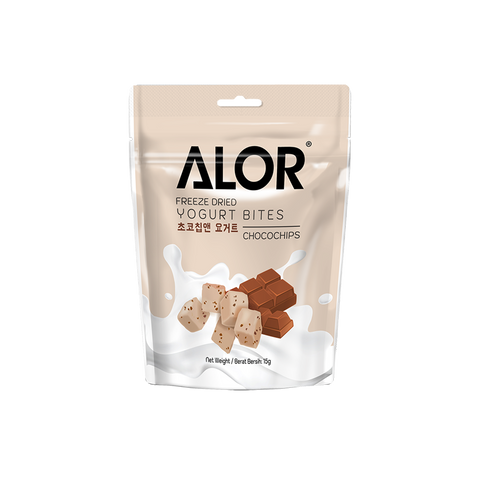
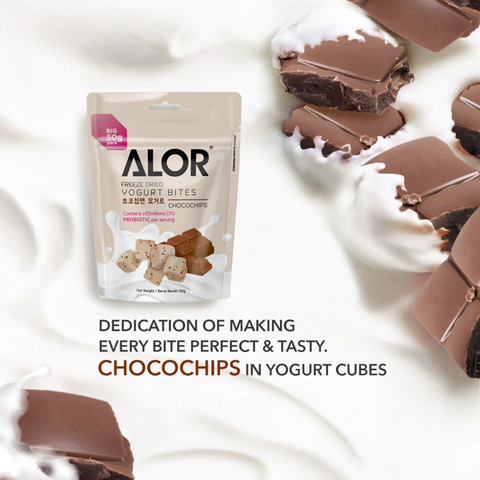
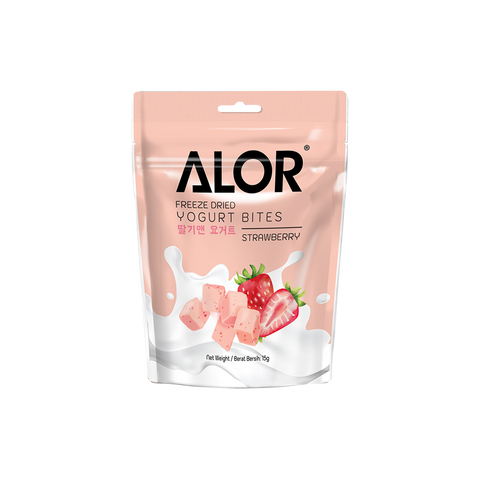
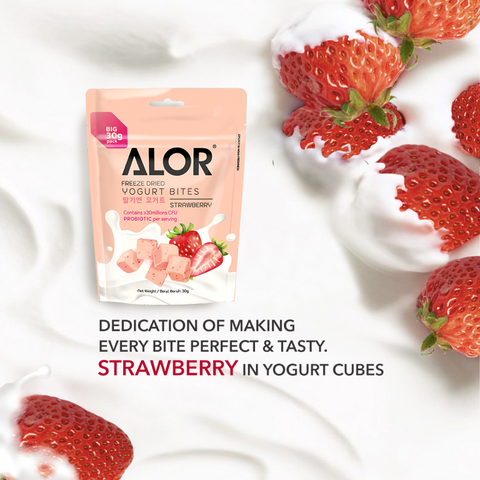
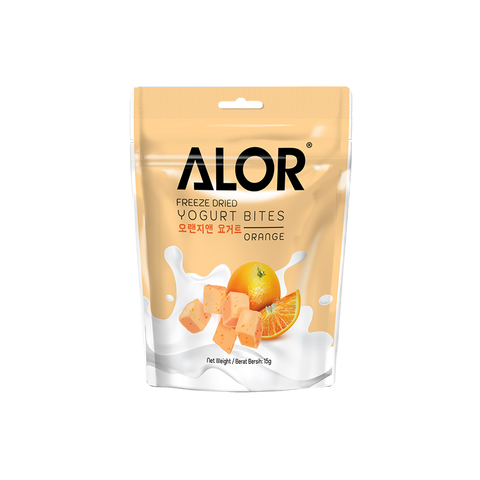
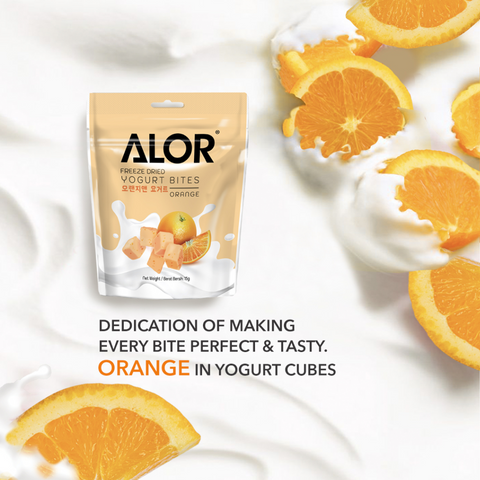
Yogurt Melts
Yogurt melts are a popular beginner finger food because they dissolve quickly in the mouth.
They are easy for babies to hold and can help babies practice picking up small pieces of food.
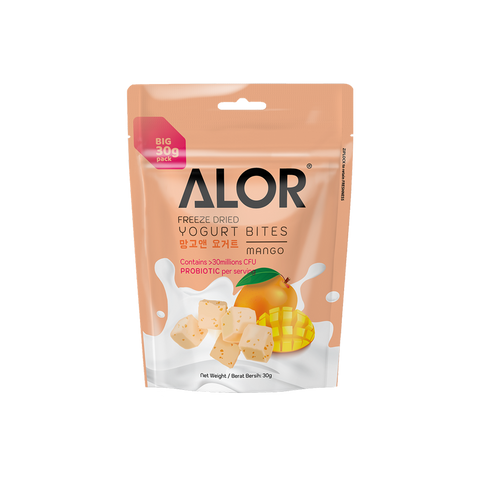
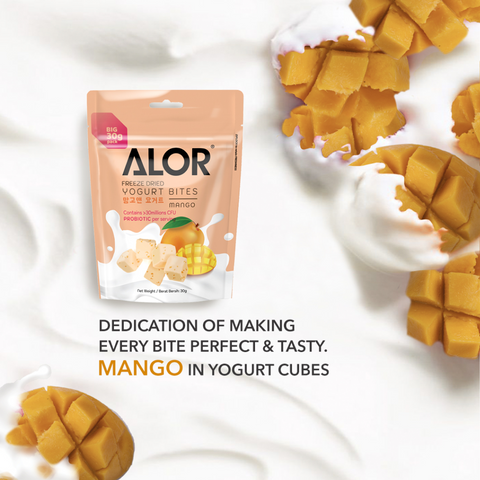
Freeze-Dried Fruit Snacks
Freeze-dried fruit snacks are lightweight and easy to hold. They often soften quickly when eaten, making them a convenient snack option.
Parents exploring snack ideas may also browse options like freeze dried snacks for convenient everyday snacking.
Soft Fruits
Soft fruits such as bananas, ripe pears, and avocados are common finger foods for babies.
These foods provide vitamins and fiber while being naturally sweet and easy to eat.
Oatmeal Snacks
Oatmeal snacks can also be served as small bite-sized pieces once babies become comfortable eating solid foods.
Safety Tips for Finger Foods
When introducing finger foods, safety should always be the top priority.
Parents should:
-
supervise babies while eating
-
avoid hard foods like whole nuts
-
cut foods into small pieces
-
choose foods that soften easily
Helpful resources such as the Solid Starts baby feeding guide can help parents understand safe food textures.
How Finger Foods Help Babies Develop Skills
Finger foods are not just snacks, they also help babies learn important developmental skills.
Self-feeding helps babies:
-
improve coordination
-
develop independence
-
explore textures and flavors
-
practice chewing
These experiences help babies gradually transition to eating family meals.
FAQs About Finger Foods for Babies
What finger foods are best for babies?
Common finger foods include yogurt melts, soft fruits, oatmeal snacks, and small pieces of vegetables.
When should babies start finger foods?
Most babies start finger foods around 8–10 months once they can grasp objects and sit upright.
Are freeze-dried snacks safe for babies?
Freeze-dried snacks can be safe if they soften easily and are introduced once babies begin eating finger foods.